THE JOURNAL / FOOTBALL

Forty-eight teams: what the bigger World Cup changed

Sixteen extra places, a round of 32 and 104 matches. How the 2026 format reshaped the road to the trophy.

CV
WCS Desk
25 JUL 2026 · 6 MIN READ
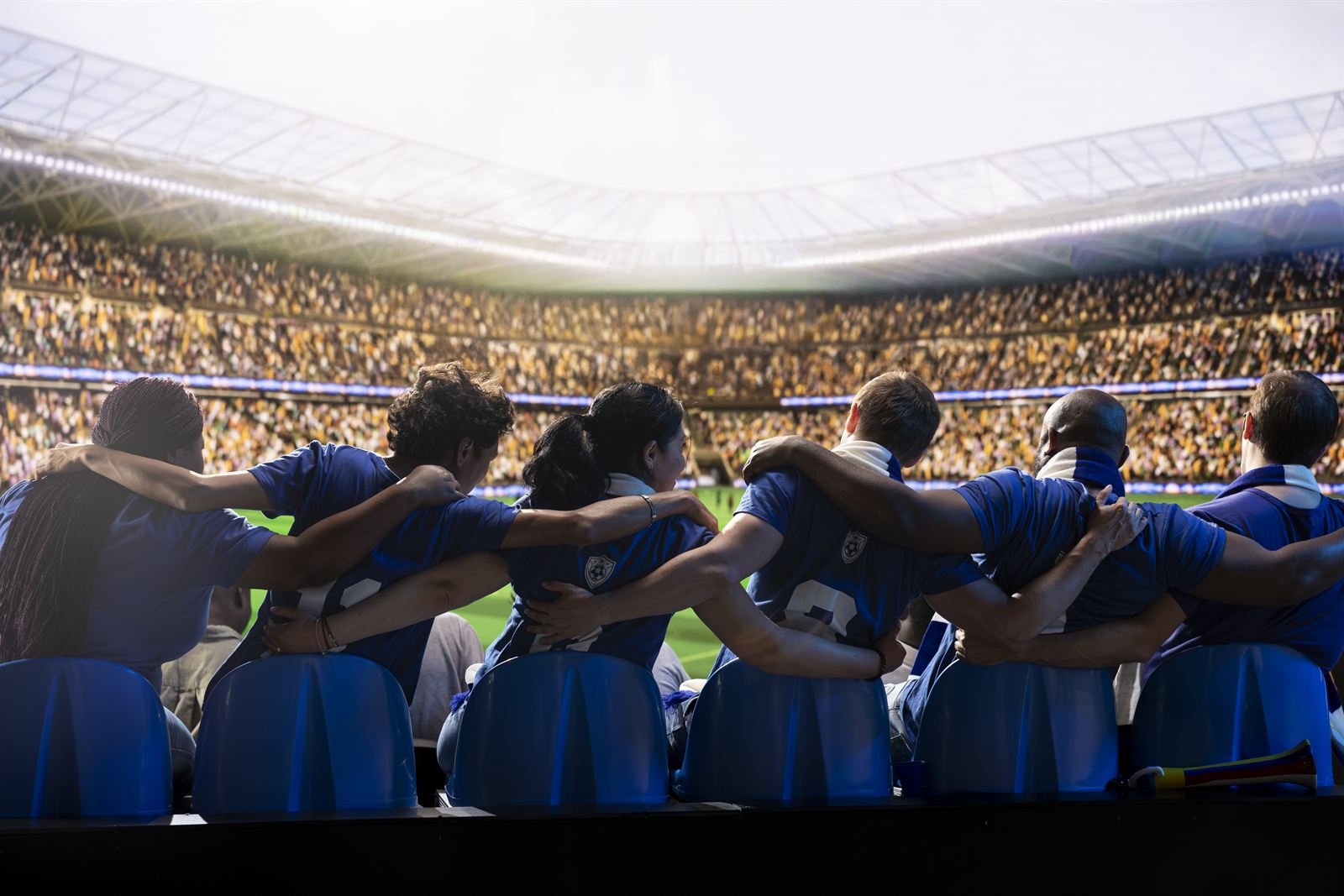
Fans arm in arm watching a match in a packed stadium
Fans arm in arm watching a match in a packed stadiumPhoto: Envato Elements

01 The new maths

For most of its history the World Cup was a closed shop: 32 places from 1998, 24 before that, 16 before that. In 2026 there were 48.

Most of the new places went to Africa, Asia and CONCACAF. Oceania got a guaranteed place for the first time, and a six-team intercontinental play-off decided the last two spots.

Fig. 1 · Direct World Cup places by confederation
UEFA
13 → 16
CAF
5 → 9
AFC
4 → 8
CONMEBOL
4 → 6
CONCACAF
3 → 6
OFC
0 → 1
GREY · 2022 DIRECT PLACES (HOST QATAR EXTRA) · ACCENT · 2026 (CONCACAF INCLUDES THREE HOSTS) · TWO MORE PLACES VIA THE PLAY-OFF

02 A longer tournament

The group stage became twelve groups of four. The top two in each group and the eight best third-placed teams went into a new round of 32, so the champions had to play eight matches rather than seven.

The tournament ran from 11 June to 19 July across 16 cities in three countries, and ended with Spain beating Argentina 1–0 after extra time.

03 What comes next

2030 keeps the 48-team format across Morocco, Portugal and Spain, with three centenary matches in South America. 2034 goes to Saudi Arabia.


Sources & corrections
[1] FIFA COUNCIL DECISION ON 2026 SLOT ALLOCATION (2017, UPDATED 2023)
[2] FIFA WORLD CUP 2026 MATCH SCHEDULE
NO CORRECTIONS LOGGED · REPORT AN ERROR
Keep reading

More from the Journal.

The Sunday Sheet · free

One email. Every cup.

OPENS YOUR EMAIL APP · UNSUBSCRIBE ANY TIME